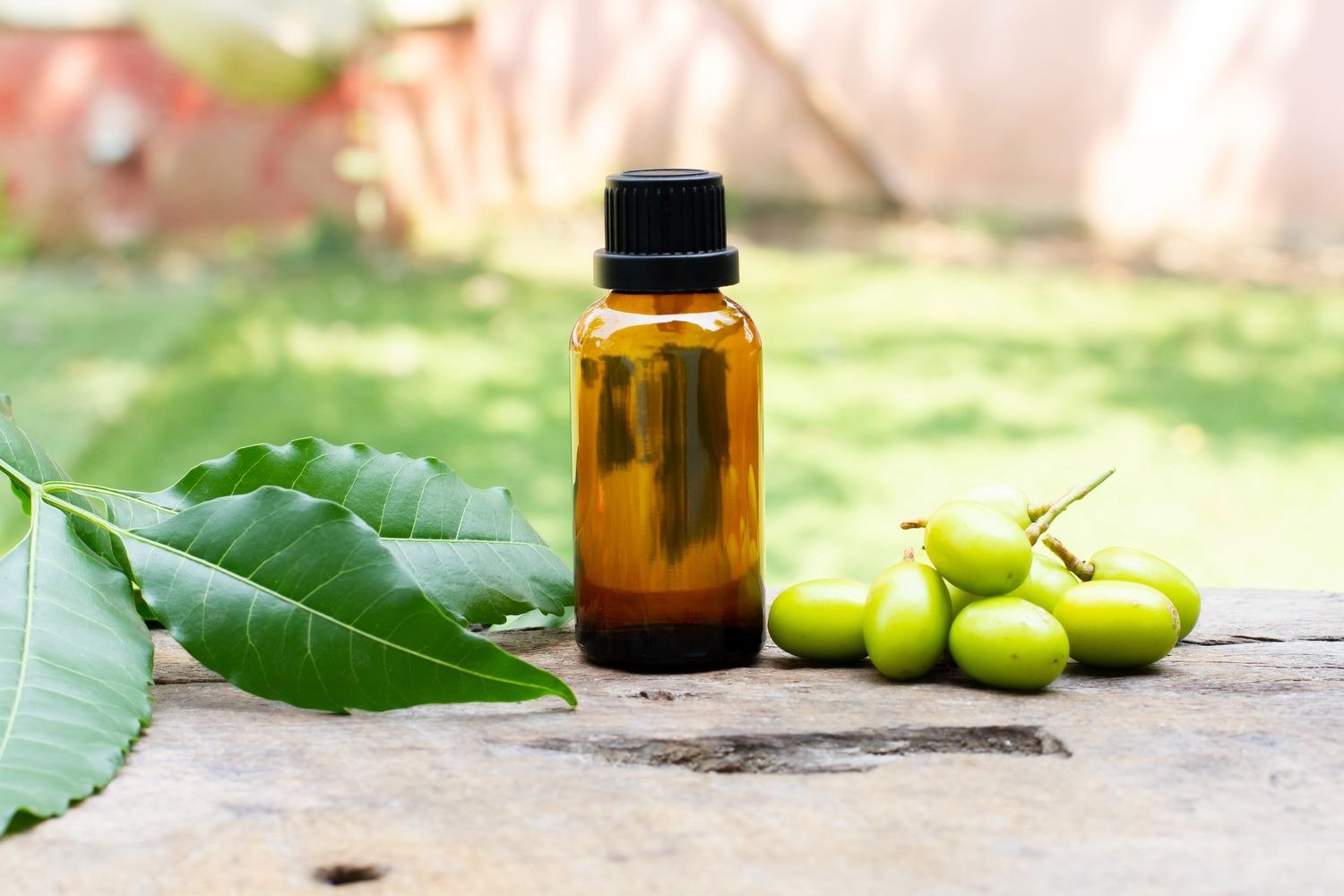
Neem Oil Canada - Cold-Pressed Azadirachta indica Seed Extract
Neem Oil Canada provides 100% pure, cold-pressed extract from premium Azadirachta indica seeds sourced directly from sustainable Indian neem plantations, delivering a versatile botanical solution prized by Canadian organic gardeners, natural pet product manufacturers, and therapeutic skincare formulators for its broad-spectrum biologically active compounds including azadirachtin, nimbin, and salannin.
Azadirachtin and Active Compound Levels:
- Azadirachtin A+B: 1500 ppm to 4500 ppm in standard agricultural grades
- High-Azadirachtin Grade: 5000+ ppm available for concentrated formulations
- Nimbin Content: Approximately 0.2% to 0.5% supporting anti-fungal effects
- Salannin Concentration: 0.1% to 0.3% contributing feeding deterrent properties
- Fatty Acid Composition: Oleic acid 40-50%, Linoleic acid 18-25%, Stearic acid 12-18%
- Melting Point Range: 12°C to 20°C, liquid above room temperature
Gardening and Agricultural Benefits:
- Broad-spectrum insect growth regulator targeting over 200 common garden pest species
- Systemic action when absorbed through plant foliage and root systems
- Prevents fungal spore germination for powdery mildew and black spot control
- Repellent properties discouraging deer and rabbit browsing on tender landscape plants
- Compatible with beneficial insect populations when applied at recommended rates
- Approved for use in certified organic production systems under proper registration
Canadian Gardening Market Penetration:
Neem oil's popularity across Canadian home gardening communities continues accelerating, with major retail chains including Canadian Tire, Home Depot, Rona, and Lowes expanding their organic pest control product aisles to accommodate growing consumer demand for natural alternatives to synthetic garden chemicals. Our cold-pressed neem oil serves as a primary active ingredient for ready-to-use spray formulations, concentrated drench products, and soil amendment blends stocked in garden sections from Vancouver Island to Newfoundland, supporting Canadian homeowners in maintaining healthy vegetable gardens, ornamental flower beds, and fruit tree orchards without persistent chemical residues.
Therapeutic Skincare Applications:
Canadian skincare formulators increasingly incorporate neem oil into targeted therapeutic products addressing common inflammatory dermatological conditions including psoriasis, eczema, acne, and contact dermatitis, drawn by the oil's demonstrated anti-inflammatory, antimicrobial, and skin-soothing properties. Boutique compounding pharmacies in Toronto, Montreal, and Vancouver blend neem oil with colloidal oatmeal, shea butter, and Canadian-sourced hemp seed oil to create specialized barrier creams and salves for sensitive skin conditions, while Atlantic Coast soap makers produce traditional neem oil soap bars leveraging the ingredient's long-standing traditional use in Indian personal care regimens.
Neem Oil Canada
The expanding market for Neem Oil Canada reflects accelerating consumer preference for plant-based, environmentally responsible products across four distinct Canadian market segments: the vast home and professional gardening community, a rapidly growing natural pet care industry, therapeutic skincare and natural health product developers, and organic agricultural producers working within the regulatory framework overseen by the Pest Management Regulatory Agency and Canadian Food Inspection Agency. Each market segment demands specific neem oil product characteristics and supporting regulatory documentation, requiring suppliers with deep expertise in both raw material quality control and Canadian regulatory environments.
PMRA Registration Requirements for Agricultural Use
Canadian regulatory compliance for neem oil used in agricultural pest control applications falls under the authority of Health Canada's Pest Management Regulatory Agency (PMRA), which administers the Pest Control Products Act and associated regulations governing the sale, importation, and use of pesticide products within Canada. Neem oil products making pesticidal claims require formal PMRA registration with supporting efficacy data, mammalian toxicology studies, environmental fate assessments, and proposed label directions meeting Canadian requirements for personal protective equipment, re-entry intervals, and maximum application rates per growing season. Unregistered neem oil products may be legally imported and sold for cosmetic or industrial uses that do not include pesticidal claims on labeling or marketing materials. Importing companies should carefully review product labeling and intended marketing statements to ensure accurate classification, as PMRA actively monitors border shipments and marketplace listings for unregistered pest control product claims that can result in product seizure and enforcement penalties.
Pet Care Industry Applications for Flea and Tick Management
Canada's natural pet care segment represents one of the fastest-growing consumer categories for neem oil products, with specialized pet supply chains including Global Pet Foods, Pet Valu, and independent holistic pet boutiques stocking neem-based shampoos, sprays, and topical treatments targeting flea, tick, and mange mite infestations in dogs and cats. Canadian pet product manufacturers formulate neem oil into shampoo bases alongside lavender essential oil, cedarwood extract, and biodegradable plant-derived surfactants to create mild, moisturizing grooming products that support skin and coat health while providing natural repellent action. Responsible manufacturers emphasize appropriate dilution rates for feline applications and include clear label guidance about veterinary consultation before using concentrated neem products on pregnant animals or pets with pre-existing health conditions, aligning with Health Canada's general safety expectations for topical pet grooming products regulated under the Food and Drugs Act framework for veterinary health products.
Canadian Food Inspection Agency Organic Input Evaluation
Canadian organic agricultural producers seeking to use neem oil products in certified organic farming operations must verify that their selected products meet Canadian Organic Standard (COS) input material requirements as administered by the CFIA's Organic Products Regulations framework. Approved organic input products appear on the Canada Organic Input Materials List (COIML) maintained by the CFIA, with neem oil formulations evaluated for inert ingredient composition, manufacturing process compliance, and alignment with Canadian Organic Standard principles prohibiting synthetically produced active ingredients. Producers should retain purchase records and product specification sheets for audit trail purposes during annual organic certification inspections conducted by CFIA-accredited certification bodies such as Ecocert Canada, Pro-Cert Organic Systems, and Quality Assurance International. Organic-certified operations in regions including the Canadian Prairies, Okanagan Valley fruit growing district, and Quebec organic vegetable belt rely on properly approved neem oil products as part of their integrated pest management strategies for aphid control, stored grain protection, and greenhouse whitefly management programs.
Therapeutic Skincare for Psoriasis and Eczema Management
Canadian naturopathic practitioners and compounding pharmacies regularly recommend neem oil-based preparations as a supportive component of management protocols for chronic inflammatory skin conditions including atopic dermatitis (eczema) and plaque psoriasis, citing the oil's nimbidin and nimbin content with documented anti-inflammatory and anti-histaminic activity observed in published in-vitro studies. British Columbia's Lower Mainland hosts multiple specialized skincare clinics incorporating cold-pressed neem oil into custom compounded creams blended with Canadian-sourced beeswax, sea buckthorn oil from BC coastal plantations, and colloidal oatmeal to create emollient formulations targeting the intense itching and skin barrier disruption characteristic of eczema flare-ups. Product developers marketing neem oil-based products with therapeutic skin claims should evaluate Natural Health Product registration requirements with Health Canada's NNHPD, as claims related to treating specific skin conditions may trigger NHP licensing obligations requiring supporting traditional use evidence or modern clinical trial data appropriate to the proposed medicinal ingredient classification.
Seasonal Usage Considerations for Canadian Climates
Effective neem oil product application in Canada requires understanding seasonal climate patterns that influence both product physical state and pest control efficacy. During cold Canadian winter months, pure neem oil naturally solidifies into a waxy crystalline mass requiring gentle warming to 25-30°C before mixing with emulsifiers for spray applications. Gardeners typically begin neem oil spray programs in late May or early June when overnight temperatures consistently exceed 10°C, applying sprays during early morning or late evening hours to avoid direct midday sun that can cause leaf burn on sensitive plant foliage. Canadian greenhouse operators in Leamington, Ontario and Delta, BC integrate neem oil treatments into year-round IPM programs with adjusted application rates for warm, humid greenhouse environments that can accelerate neem oil breakdown compared to outdoor field conditions. Winter neem oil indoor plant applications for houseplant pest control benefit from spot treatment testing on individual plant leaves before widespread application to sensitive tropical species commonly kept as indoor houseplants across Canadian homes.