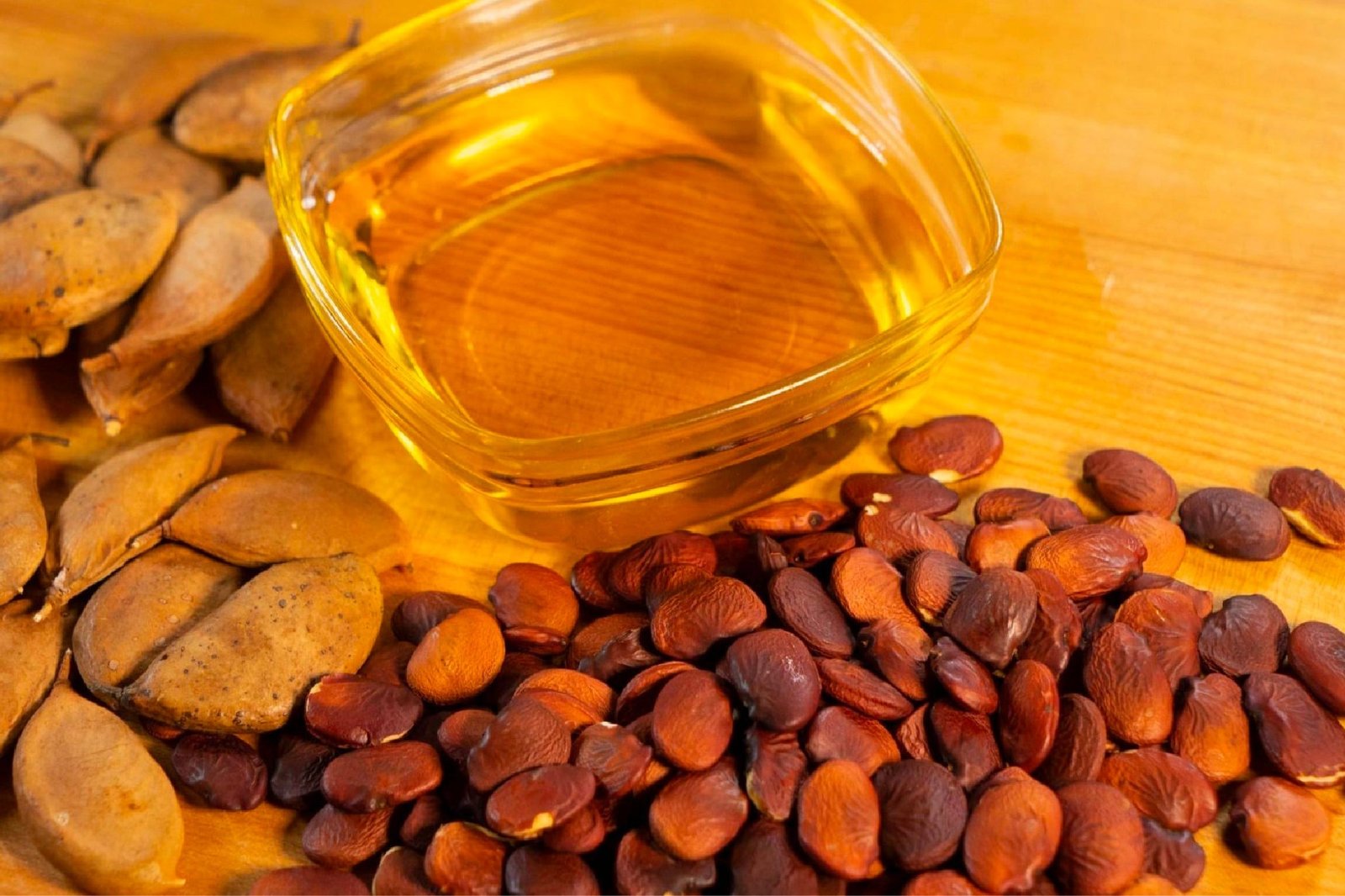
Karanja Oil Canada - Cold-Pressed Pongamia pinnata Seed Extract
Karanja Oil Canada delivers sustainably sourced, cold-pressed extract from the seeds of the Pongamia pinnata tree, celebrated across multiple Canadian industries for its multifunctional properties. Revered in traditional Ayurvedic medicine for centuries and now embraced by modern formulators, this golden-amber oil bridges ancient botanical wisdom with contemporary Canadian innovation in cosmetics, agriculture, and industrial biotechnology.
Key Phytochemical Properties:
- Karanjin Content: Typically 0.3% to 0.8% by weight for premium cosmetic grades
- Pongamol Concentration: 0.1% to 0.5% supporting skin-soothing effects
- Fatty Acid Profile: Oleic acid 45-55%, Linoleic acid 10-20%, Palmitic acid 9-12%
- Specific Gravity: 0.92 to 0.94 at 25°C
- Saponification Value: 185-205 mg KOH/g
- Iodine Value: 85-105 g I2/100g indicating moderate unsaturation
- Flash Point: Exceeds 280°C suitable for industrial lubricant applications
Skincare Formulation Benefits:
- Non-comedogenic carrier oil compatible with acne-prone skin types
- Rich in natural antioxidants protecting against environmental stressors
- Emollient properties supporting skin barrier repair and moisture retention
- Anti-inflammatory flavonoids soothing irritated dermatological conditions
- Natural UV-absorbing characteristics useful in sun care product development
Cold-Pressed Extraction Advantages:
Our mechanical cold-press extraction process operates below 40°C, preserving heat-sensitive bioactive compounds that solvent-based extraction methods destroy. Unlike hexane-extracted alternatives, our Karanja oil retains its full karanjin and pongamol spectrum, making it superior for both therapeutic skincare formulations and sensitive biopesticide applications where molecular integrity matters.
Canadian Bio-Lubricant Research Applications:
Canadian universities and industrial research consortia increasingly incorporate Karanja oil into advanced bio-lubricant formulations targeting biodegradability standards. Its high oxidative stability index, impressive load-carrying capacity, and low pour point make it a compelling renewable alternative to petroleum-based hydraulic fluids, gear oils, and metalworking lubricants, aligning with Canada's 2030 net-zero industrial lubricant transition goals.
Karanja Oil Canada
The growing demand for Karanja Oil Canada reflects a nationwide shift toward plant-based, sustainable raw materials across three dominant sectors: boutique skincare formulation based in Toronto and Vancouver, organic agricultural biopesticide production serving Prairie grain farms, and emerging green industrial lubricant R&D hubs in Calgary and Montreal. As Canadian regulators tighten restrictions on synthetic cosmetic preservatives and agricultural chemical inputs, naturally derived Karanja oil positions itself as a compliant, high-efficacy replacement that meets both performance and regulatory demands.
Toronto and Vancouver Skincare Industry Adoption
Ontario's Greater Toronto Area serves as Canada's cosmetic formulation epicenter, housing over 200 indie beauty brands, contract manufacturers, and private label studios. Leading Toronto-based natural skincare lines increasingly specify Karanja oil in their facial serums, body butters, and hair treatments, drawn by its non-greasy feel, skin-nourishing fatty acid composition, and synergistic compatibility with Canadian-grown botanical extracts like cold-pressed rosehip oil and Labrador tea hydrosol. Vancouver's Pacific Northwest cosmetic community, meanwhile, prioritizes Karanja oil for its sustainability credentials—integrating it into zero-waste, plastic-free product lines targeting eco-conscious BC consumers who value transparent, traceable supply chains.
Health Canada Cosmetic Ingredient Regulatory Landscape
Understanding Health Canada's regulatory requirements is critical for formulators incorporating Karanja oil into cosmetic products sold domestically. The ingredient falls under Schedule I of the Cosmetic Regulations, requiring proper INCI nomenclature declaration (Pongamia Glabra Seed Oil) on all product labels, submission of a Cosmetic Notification Form (CNF) within 10 days of first market placement, and full compliance with Good Manufacturing Practices outlined in Health Canada's Cosmetic GMP guidelines. Formulators developing products making therapeutic claims about skin conditions must additionally evaluate whether their product triggers Natural Health Product (NHP) registration requirements under the Natural and Non-prescription Health Products Directorate (NNHPD), which would necessitate a product license application with supporting safety evidence.
Biopesticide Formulation for Canadian Agriculture
Western Canadian Prairie grain, pulse, and canola operations represent a rapidly expanding market segment for Karanja oil-based biopesticide formulations. Product developers working in Saskatchewan's agritech corridor blend Karanja oil with neem extracts, potassium salts of fatty acids, and botanical essential oils to create broad-spectrum insecticidal and fungicidal sprays targeting aphid populations, powdery mildew outbreaks, and rust infections common in Canadian field crops. The karanjin component disrupts insect hormonal pathways without acute mammalian toxicity, making it suitable for integrated pest management (IPM) programs seeking to reduce synthetic pesticide loads while maintaining market access for export grain shipments requiring minimal chemical residue profiles.
Natural Health Product (NHP) Considerations for Canadian Brands
Brands marketing Karanja oil-based products with specific health claims beyond basic cosmetic moisturization must navigate Canada's Natural Health Product Regulations administered by the NNHPD. A product claiming skin-soothing effects for eczema or psoriasis, for example, triggers NHP classification requiring submission of evidence supporting medicinal ingredient safety, proper dosage form specifications, and appropriate risk management strategies. Successful NHP license applicants typically present traditional evidence documentation, published pharmacopoeial monographs referencing Pongamia pinnata seed oil's historical dermatological use, and modern toxicological screening data confirming dermal safety under intended use conditions. Canadian importers should verify that their supplier maintains full batch traceability records and can provide Certificates of Analysis meeting NHP labelling requirement standards.
Storage and Shelf-Life Management for Canadian Climates
Canada's extreme temperature variations—from sub-zero Prairie winters to humid Ontario summers—demand careful Karanja oil storage protocols to preserve quality and extend shelf life. Cosmetic-grade oil should be stored in sealed, food-grade HDPE containers or stainless steel drums under nitrogen headspace in climate-controlled warehouses maintained between 10°C and 25°C with relative humidity below 60%. Under these conditions, properly stored oil maintains specification compliance for 18 to 24 months from manufacture date. Cold-season shipping to northern Canadian communities requires insulated packaging with phase-change thermal buffers to prevent repeated freeze-thaw cycles that can accelerate triglyceride crystallization and negatively impact final product texture.