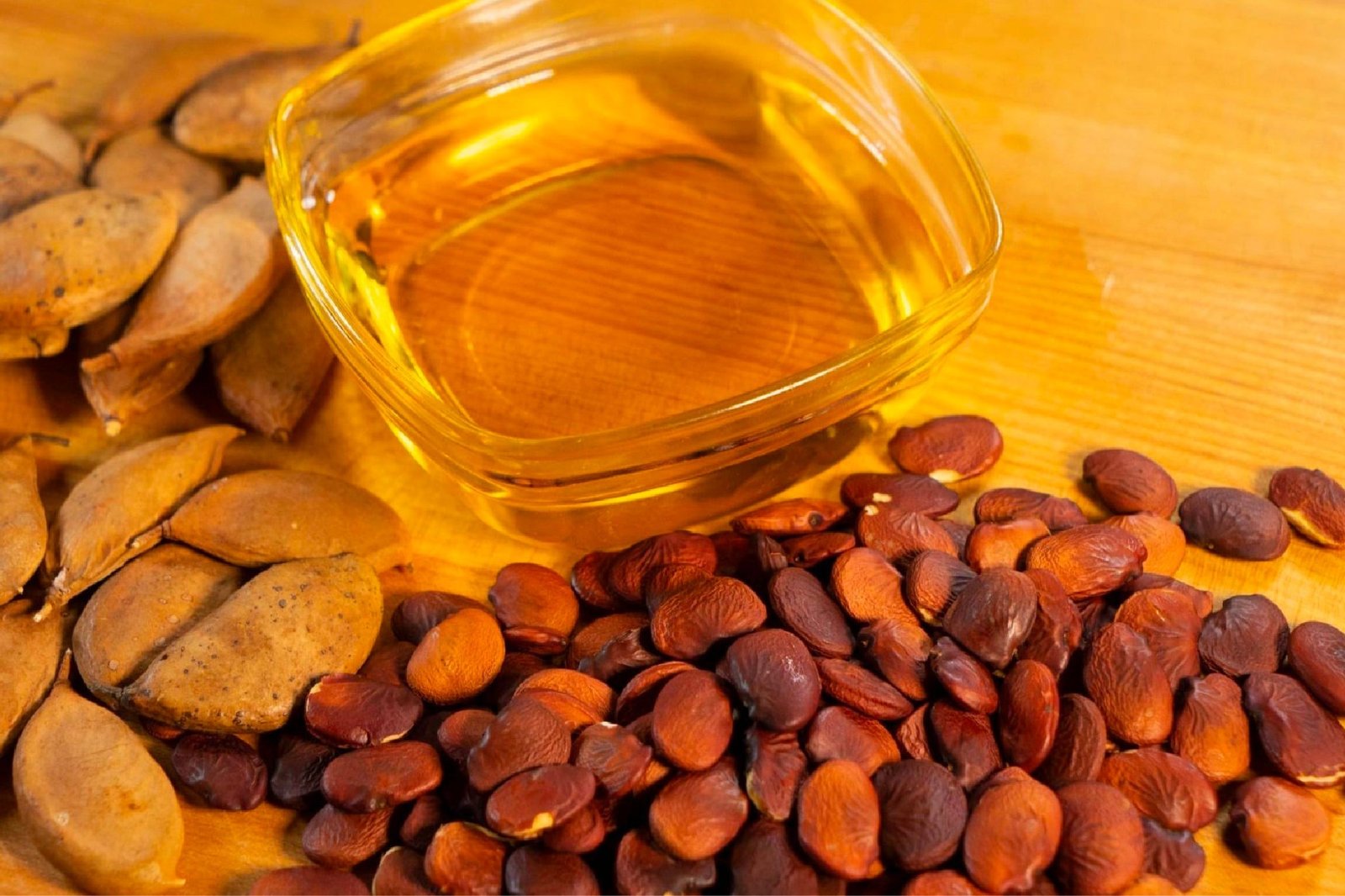
Karanja Cake Powder South Korea - Organic Soil Enrichment Solution
Karanja Cake Powder South Korea is a premium organic byproduct obtained from the cold-pressing of Karanja (Pongamia pinnata) tree seeds, specifically processed to meet the rigorous standards of modern Korean agricultural systems. This nutrient-dense cake powder serves as a dual-action soil amendment, combining natural fertilization with inherent pest deterrent properties that align perfectly with South Korea's rapidly growing eco-friendly farming movement.
Nutritional Composition & Properties:
- NPK Content: Nitrogen (3.5-4.5%), Phosphorus (1.0-1.5%), Potassium (1.2-1.8%)
- Organic Matter: Above 75% carbon-rich organic content for long-term soil health
- Moisture Level: Maintained below 10% to ensure extended shelf life during shipment
- pH Range: Slightly acidic 6.2-6.8, ideal for most Korean field and greenhouse crops
- Active Compounds: Karanjin, Pongamol, and flavonoids for natural pest suppression
- Texture: Fine mesh powder for uniform soil incorporation and fertigation compatibility
- Micro-nutrients: Naturally contains Calcium, Magnesium, Zinc, and Sulfur traces
Natural Pest Repellent Benefits:
- Deters soil-dwelling nematodes, root grubs, and termites without synthetic nematicides
- Repels aphids, whiteflies, and leafhoppers when used as a foliar drench or soil top-dress
- Discourages fungal gnat larvae in greenhouse potting media and nursery trays
- Inhibits soil-borne pathogen propagation including Fusarium and Rhizoctonia species
- Safe for earthworm populations and beneficial soil microarthropods
Primary Agricultural Applications in Korea:
Karanja cake powder finds extensive use across South Korea's diverse agricultural landscape, from the expansive rice paddies of the Gyeongsang provinces to the intensively managed greenhouse complexes in Jeollanam-do. The product is particularly valued by strawberry, tomato, paprika, and melon growers who rely on clean, residue-free production methods for domestic and export markets. Korean tea estates in Boseong and Hadong also incorporate this amendment to protect delicate camellia root systems while boosting leaf nutrient density without compromising flavor profiles.
Karanja Cake Powder South Korea
For progressive agricultural professionals across the peninsula, Karanja Cake Powder South Korea represents a cornerstone input for regenerative and low-input farming strategies. As South Korea strengthens its commitment to carbon-neutral agriculture and reduces dependency on imported chemical fertilizers through the 2030 Green Agriculture Initiative, demand for certified organic soil amendments has accelerated dramatically. Our karanja cake powder is manufactured through a solvent-free cold-press process that preserves all heat-sensitive phytochemicals and beneficial microbial inoculants naturally present in the raw seed cake, ensuring maximum field efficacy from the first application.
Role in Greenhouse Agriculture & Protected Cultivation
South Korea's greenhouse sector, which produces over 40% of the nation's high-value vegetable output, faces constant pressure to manage closed-loop soil health and prevent pest buildup in recirculating hydroponic and substrate systems. Karanja Cake Powder South Korea addresses these challenges by acting as a slow-release nutrient reservoir that feeds crops gradually over a 6-8 week window, preventing the nutrient leaching and salt accumulation that commonly plague intensively managed polyhouses. When incorporated into coco-peat, perlite, or volcanic scoria growing media, the powder stimulates native Trichoderma and Pseudomonas populations that suppress damping-off and crown rot diseases without requiring costly biological inoculants.
Soil Conditioning & Long-Term Fertility Benefits
Beyond direct macronutrient provision, karanja cake powder delivers profound structural improvements to the compacted upland soils that characterize many Korean vegetable farms. The high lignin and cellulose content acts as a long-term soil conditioner, improving water infiltration rates by up to 35% in heavy loam soils and increasing cation exchange capacity (CEC) by approximately 22% within two cropping cycles. For tea farmers cultivating the acidic, highly weathered soils of the southern coastal regions, the amendment's natural buffering capacity prevents toxic aluminum and manganese solubilization, thereby protecting fine feeder roots from chemical damage during peak monsoon seasons.
Advantages for Korean Specialty Crop Production
The Korean specialty crop sector encompasses a diverse range of commodities including ginseng, medicinal herbs, chrysanthemum cut flowers, and premium quality melons, each with unique pest and fertility requirements. Karanja Cake Powder South Korea adapts beautifully to these specialized production systems because of its flexible application rates and compatibility with existing farm machinery. Ginseng cultivators in Chungcheongbuk-do incorporate the powder into raised beds at transplanting to protect young roots from soil nematodes for the full six-year crop cycle, while cut flower nurseries blend it with composted rice hulls to produce a propagation medium that eliminates the need for methyl bromide alternatives that are increasingly restricted under Korean environmental regulations.
Compatibility with Korean Organic Certification Frameworks
All batches of Karanja Cake Powder South Korea supplied by our organization are accompanied by documentation required for registration under the Korean Agricultural Products Quality Management Service (NAQS) organic input certification scheme. The manufacturing process is fully traceable from sustainable Indian agroforestry plantations through export processing, and the product contains no genetically modified materials, heavy metal contaminants, or synthetic additives that would disqualify it from use in certified organic farms, urban agriculture collectives, or school garden programs across Seoul, Busan, and Daegu metropolitan regions.
Horticulture & Urban Farming Integration
South Korea's thriving urban agriculture movement, supported by the government's One Million Urban Farmers program, has created a rapidly expanding market for safe, easy-to-use organic soil amendments suitable for apartment balconies, rooftop gardens, and community allotment plots. Karanja cake powder's mild odor profile compared to other oilseed cakes makes it a preferred choice for dense urban environments, while its fine particle size allows home gardeners to prepare liquid soil drenches using simple bucket fermentation methods without specialized equipment. Landscape contractors installing green infrastructure projects, such as the Seoul City Cheonggyecheon stream restoration plantings, also specify the product to ensure robust tree establishment in compacted urban fill soils.