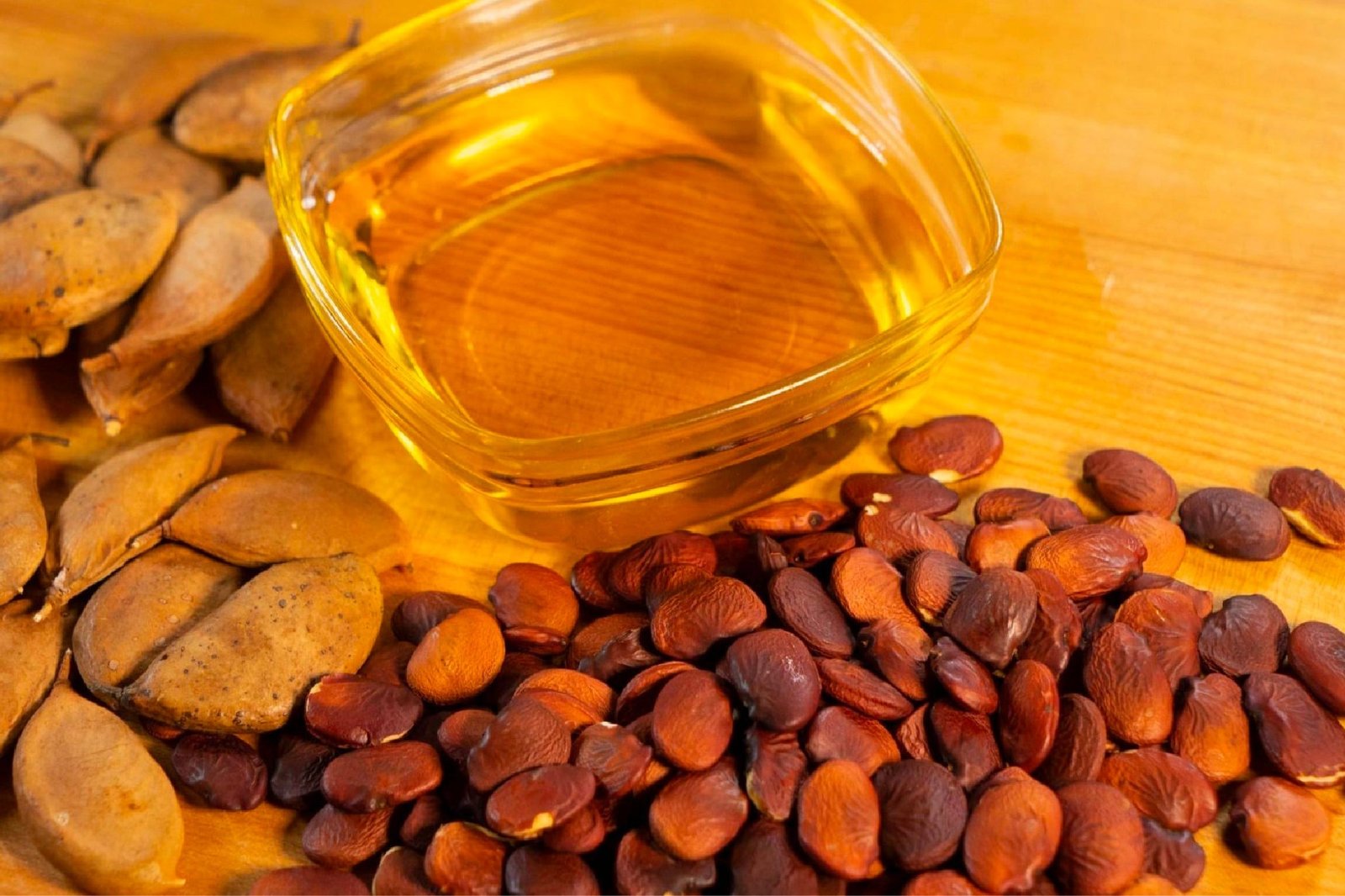
Karanja Cake in Canada - Organic Soil Amendment & Natural Fertilizer
Karanja Cake in Canada represents a premium organic byproduct derived from the cold-pressing of Pongamia pinnata seeds, offering Canadian farmers a sustainable alternative to conventional synthetic fertilizers. This de-oiled cake is rich in macronutrients and natural pest-repellent compounds, making it increasingly popular across Canada's diverse agricultural landscape from the Prairie grain belts to British Columbia's fruit-growing valleys.
Nutritional Profile of Karanja Cake:
- Nitrogen (N): Approximately 3.5% to 4.5% for vigorous vegetative growth
- Phosphorus (P): Around 1.2% to 1.8% supporting robust root development
- Potassium (K): Roughly 1.0% to 1.5% enhancing disease resistance and fruiting
- Organic Matter: 75% to 85% content improving soil structure and moisture retention
- pH Level: Slightly acidic at 6.2 to 6.8, ideal for most Canadian field crops
- Contains karanjin and pongamol flavonoids with natural pesticidal properties
- Slow-release nutrient formulation lasting 4-6 months in temperate soils
Benefits for Canadian Prairie Agriculture:
- Enhances soil microbial activity in Alberta, Saskatchewan, and Manitoba farmlands
- Improves water-holding capacity in sandy prairie soils prone to drought conditions
- Reduces soil compaction and improves tilth in heavy clay regions of the Red River Valley
- Supports CFIA-compliant organic production systems for wheat, canola, and barley
- Compatible with no-till farming practices widely adopted across the Canadian Prairies
Biopesticide Properties:
Karanja cake exhibits natural insecticidal and nematicidal activity through compounds like karanjin, which disrupts pest feeding and reproductive cycles. When incorporated into British Columbia orchard soils or Québec vegetable farm beds, it provides residual protection against root-knot nematodes, aphids, whiteflies, and several species of soil-borne fungal pathogens without adversely affecting beneficial earthworm populations or pollinator species essential to Canadian agro-ecosystems.
Comparison with Chemical Fertilizers:
Unlike synthetic N-P-K blends that provide only macronutrients and risk salt accumulation over time, karanja cake delivers a balanced nutritional package alongside organic matter that builds long-term soil carbon reserves. Canadian farmers transitioning from conventional inputs report reduced input frequency, improved drought tolerance in prairie cereal crops, and higher sugar content in BC tree fruits when using this organic amendment as part of a comprehensive soil fertility program approved under Canadian Food Inspection Agency guidelines.
Karanja Cake in Canada
As demand for regenerative agricultural inputs accelerates nationwide, Karanja Cake in Canada has emerged as a trusted soil amendment for producers committed to building soil health while maintaining productivity. De-oiled through mechanical cold-pressing without solvent extraction, our karanja cake retains all naturally occurring plant growth promoters and defensive compounds that make Pongamia-derived products so effective. The material is ground to a consistent coarse texture ideal for broadcast application, banding, or incorporation into potting media for greenhouse vegetable operations across Ontario and coastal BC.
Canadian Organic Farming Regulations and CFIA Compliance
Any organic soil input sold or used in Canadian certified organic operations must meet the requirements established by the Canadian Food Inspection Agency (CFIA) under the Safe Food for Canadians Regulations. Our supplied karanja cake is accompanied by full traceability documentation, heavy metal analysis confirming compliance with Canadian maximum acceptable limits, and organic integrity statements required for operations enrolled in the Canada Organic Regime. Producers in Québec operating under the Conseil des appellations réservées et des termes valorisants (CARTV) system and those in British Columbia certified by the Certified Organic Associations of BC (COABC) can confidently incorporate this amendment knowing documentation aligns with both federal and provincial organic standards.
Application Across Prairie Provinces: Alberta, Saskatchewan, Manitoba
The Prairie Provinces represent Canada's agricultural heartland, producing the majority of the nation's wheat, durum, canola, flax, and pulse crops. Karanja Cake in Canada is particularly suited to prairie production systems where organic matter depletion from decades of intensive cereal cropping has reduced soil water infiltration and microbial biomass. In Alberta's Brown and Dark Brown soil zones around Lethbridge and Medicine Hat, applications of 500 to 800 kg per hectare at seeding time have demonstrated measurable improvements in spring wheat tillering and protein content. Across Saskatchewan's vast parkland region extending from Saskatoon to the Manitoba border, farmers growing organic lentils and chickpeas report reduced aphid pressure when karanja cake is banded alongside seed rows. Manitoba's Red River Valley, famous for its nutrient-rich but heavy clay soils, benefits from the amendment's ability to improve drainage and aeration while providing slow-release nitrogen for corn and soybean production.
British Columbia Fruit Orchards and Vineyard Applications
British Columbia's Okanagan Valley, Similkameen Valley, and the emerging Creston Valley fruit districts cultivate over 90% of Canada's tree fruits including apples, cherries, peaches, apricots, and pears. Karanja cake applied as a surface mulch in a 2-meter band around tree trunks delivers three key benefits for BC orchardists: gradual nitrogen release during the critical summer fruit sizing period, suppression of woolly apple aphid and Western cherry fruit fly pupae overwintering in root zones, and improved soil structure that reduces the need for frequent shallow cultivation. Coastal BC growers producing raspberries, blueberries, and wine grapes in the Fraser Valley and Vancouver Island regions also report positive results, particularly where soil pH moderation is needed for optimum blueberry production.
Québec Vegetable Farms and Eastern Canadian Horticulture
Québec is Canada's second-largest vegetable producing province, with intensive operations concentrated in the Montérégie region south of Montréal, the Québec City metropolitan area, and the tomato and sweet corn corridors along the St. Lawrence River valley. Karanja Cake in Canada has found enthusiastic adoption among Québec's organic vegetable cooperatives producing for Montréal's Jean-Talon Market, Toronto's St. Lawrence Market, and the Ottawa farmers' market network. Applied at 800 to 1200 kg per hectare two weeks before transplanting greenhouse-grown tomatoes, peppers, eggplants, and cucurbits, the cake provides sustained nutrition throughout the long Québec growing season while suppressing root lesion nematodes that frequently limit yield in lighter-textured soils. Maritime producers in New Brunswick, Nova Scotia, and Prince Edward Island are also evaluating the product for wild blueberry management and PEI potato rotations.
De-oiled Cake Benefits Over Raw Seed Meals
The de-oiling process used to produce karanja cake removes approximately 85% to 90% of the seed's oil content through mechanical cold pressing, concentrating the protein, carbohydrate, and mineral fraction while leaving beneficial secondary metabolites intact. This concentration process offers Canadian growers several advantages over raw Pongamia seed meals. First, de-oiled cake has a significantly longer shelf life without rancidification, a critical factor for products stored through Canadian winters in unheated prairie grain sheds. Second, the oil removal process increases nitrogen content per unit weight, reducing application rates and transportation costs per effective nutrient unit. Third, de-oiling eliminates potential phytotoxic effects observed when raw high-oil meals are incorporated immediately before seeding, allowing growers to apply karanja cake on the same day as planting without risk of seedling injury. This immediate seeding capability is particularly valuable in regions like central Saskatchewan where the planting window between spring thaw and summer drought can be as narrow as ten to fourteen days.
Sustainable Soil Management Outcomes
Long-term field trials conducted across multiple Canadian agro-climatic zones demonstrate that regular incorporation of karanja cake increases soil organic carbon by 0.12% to 0.18% annually when applied at recommended rates, contributing meaningfully to Canada's agricultural greenhouse gas reduction targets. Improved soil aggregation resulting from organic matter additions reduces wind erosion in the Palliser Triangle of southern Saskatchewan and Alberta by an estimated 22% to 30%, protecting vulnerable topsoil resources for future generations. Enhanced cation exchange capacity (CEC) from karanja cake applications also improves fertilizer use efficiency for producers using mixed organic-conventional input systems, allowing reductions in total fertilizer application while maintaining or increasing yields. Karanja Cake in Canada is increasingly recognized by agricultural extension specialists and agrologists as a versatile component of sustainable soil fertility programs spanning field crop, horticultural, and specialty crop production systems nationwide.